


 How does weld stud tip design affect weld quality? Is weld hardness a concern after stud welding? What weld stud size do I need for my application? What information should I provide when requesting a quote for weld studs?
These are some of the questions customers bring to us when discussing weld studs. They matter because selecting a stud means understanding materials, welding requirements, testing and documentation that have to fit the final application. This becomes critical in regulated sectors such as defense, nuclear and civil engineering.
 When a stud is welded to a different base metal, molten metal from both combines at the joint, changing its chemical composition. That is why paying extra attention to the bimetallic welds is essential. Depending on the material grades and welding conditions, this can produce harder, less ductile areas that are more prone to embrittlement. Assess the resulting connection rather than relying on the properties of either component alone. Suitability must be confirmed for the specific grades and welding procedure.
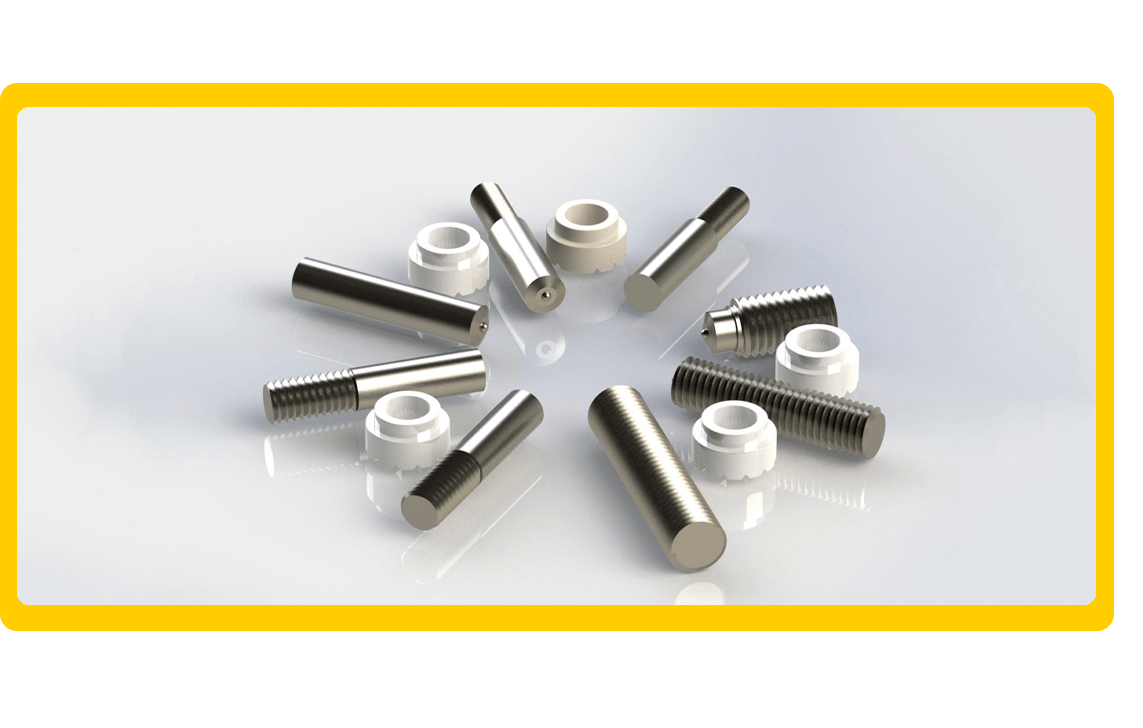
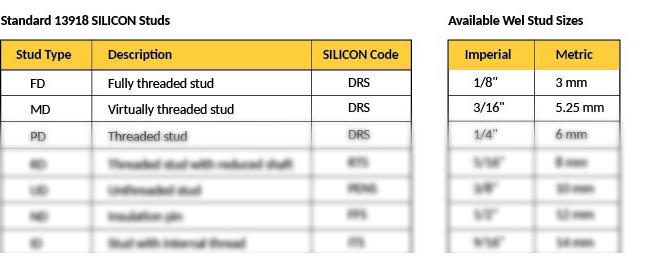
Download the SILICON Stud Order Chart, a quick reference to available studs and their diameters. SILICON works with weld studs across 3-38 mm and can help assess the welding requirements for the intended application. Stud lengths need to be matched to the welding equipment.
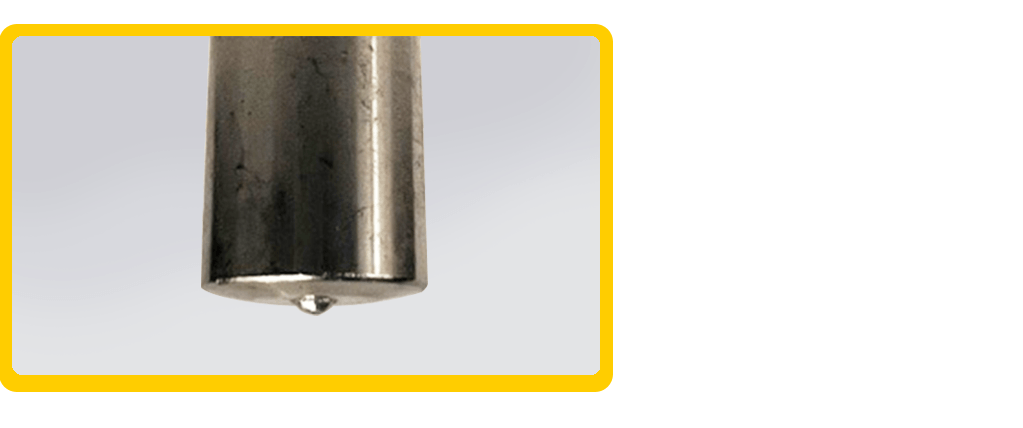 The shape of the stud tip affects how much metal melts into the weld. The amount of flux and where it is placed affect how the stud melts. SILICON stud has a set-size flux ball that sits in a hole in the centre of the tip. The cone-shaped tip is also taken into account when calculating how much metal will form the weld. Flux quantity must be controlled, otherwise, it can contaminate the weld.
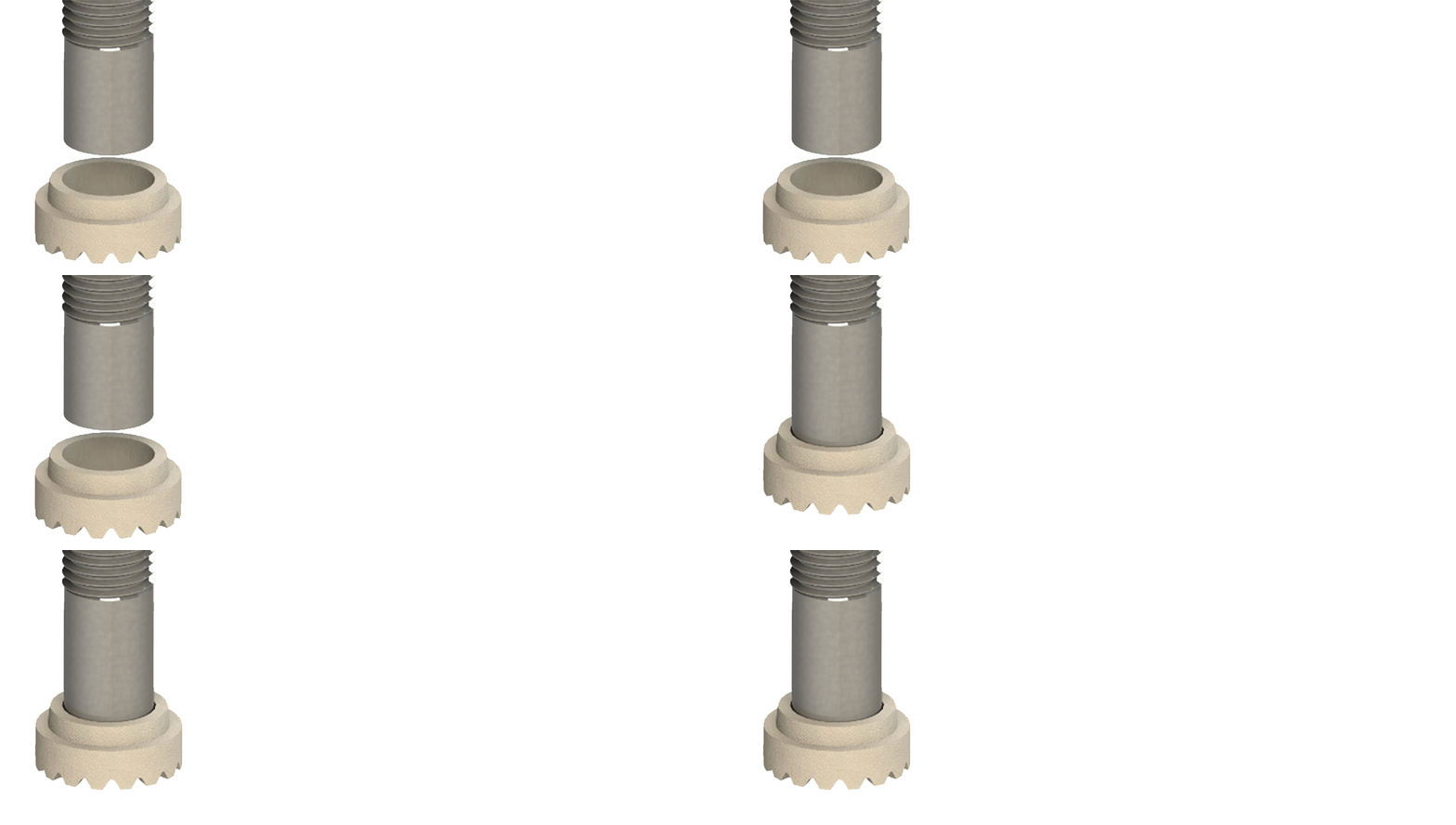 Along with how securely the flux stays in place, the ferrule's fit and the stud's shape and material composition also play a big role. Other factors include whether the stud uses one alloy or two, and how its alloy affects brittleness, ductility and resistance to chemicals. Compare these details to assess whether a stud is suited to your welding process and application.
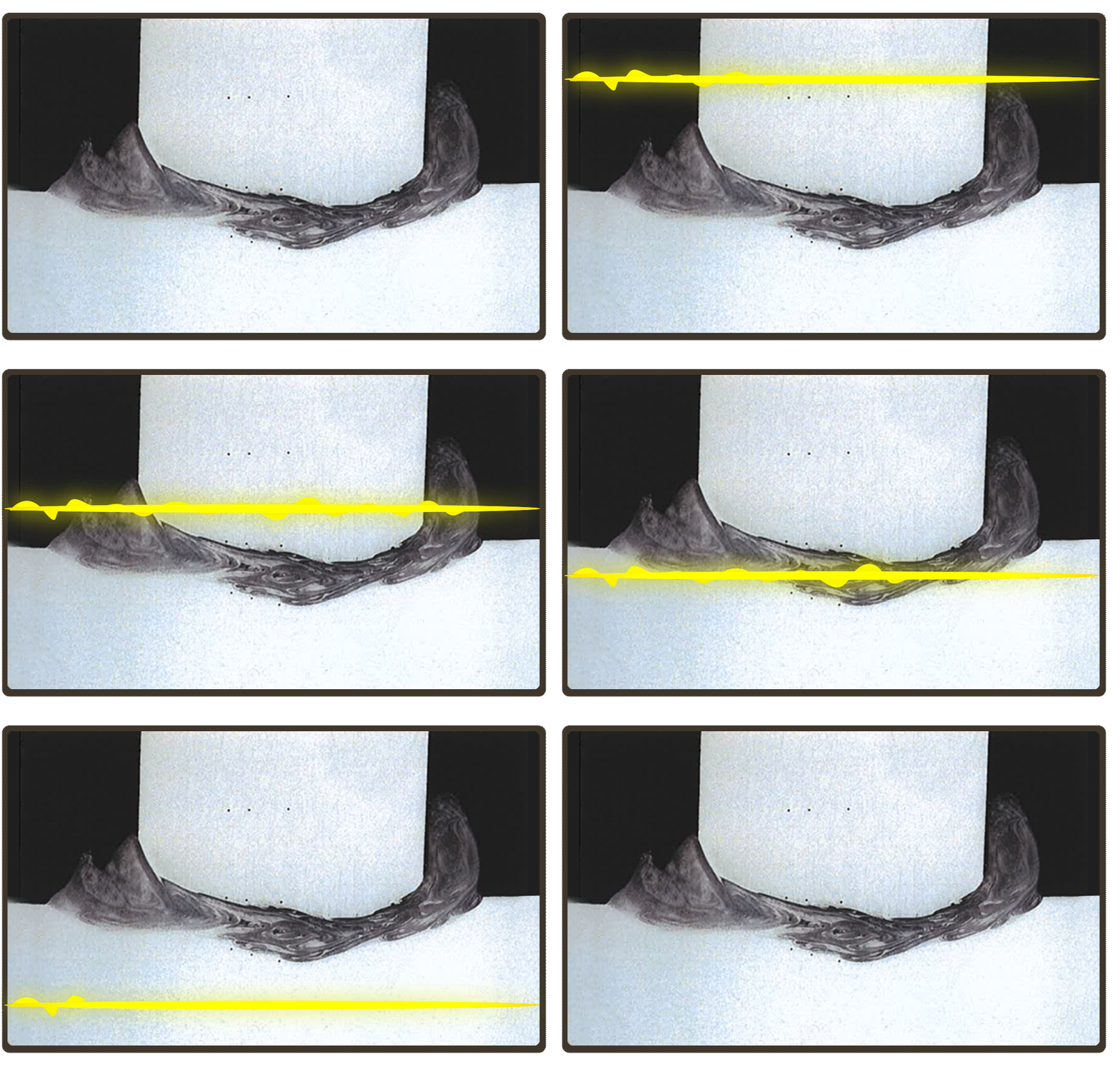
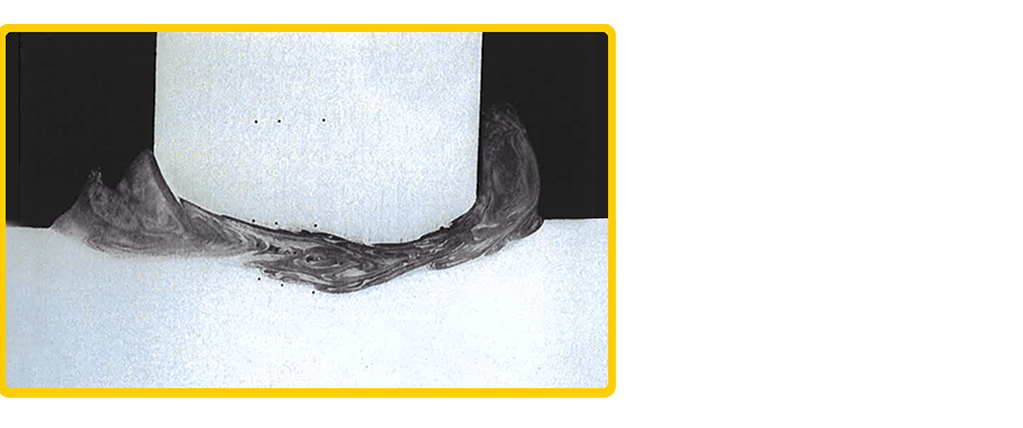 This is an example of a cross-section of a stud welded in the vertical side-hand orientation. It was submitted for a PQR. Reviewing details like these can help you assess whether a stud is suited to your welding process or whether changes are required.
During stud welding, the weld area heats up and then cools down quickly. Depending on the steel grade, this can increase hardness and reduce toughness in the heat-affected zone, making it more vulnerable to cracking.
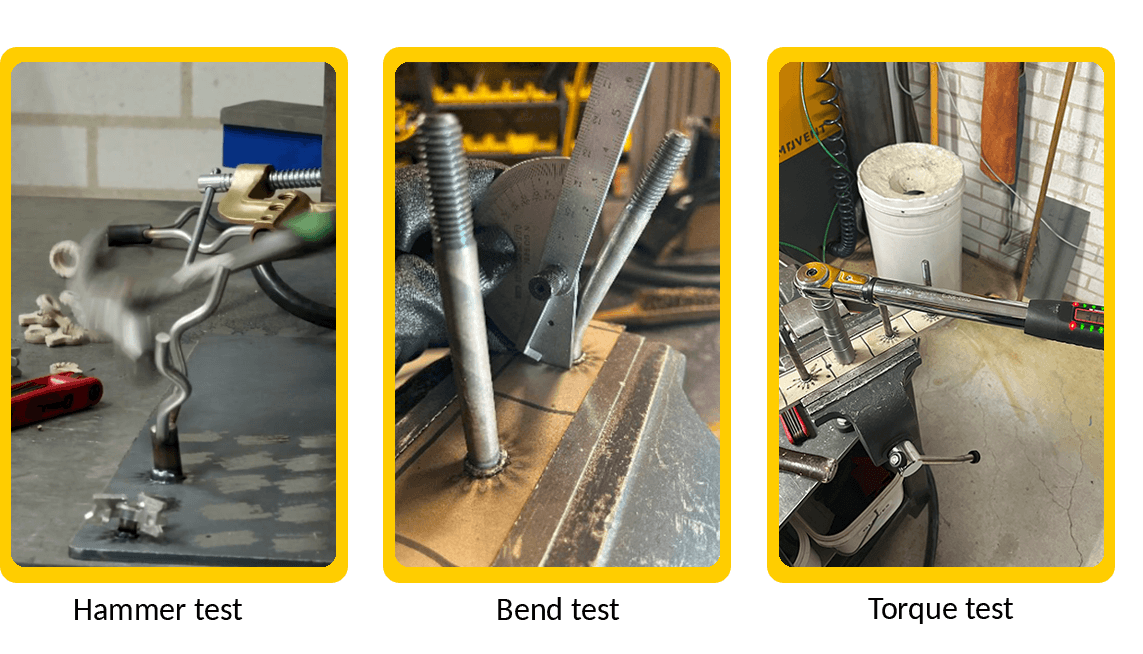
Depending on the project specification, additional tests may include bend or hammer testing, torque testing and macro examination for cracks in the weld and heat-affected zone. Before ordering studs, confirm the required tests, the acceptance criteria and which test results will be included in the documentation.
At SILICON, we consider these details together. You don’t need to work through every variable on your own. Share your application and welding requirements with us, and we can help you identify the right stud for the job.
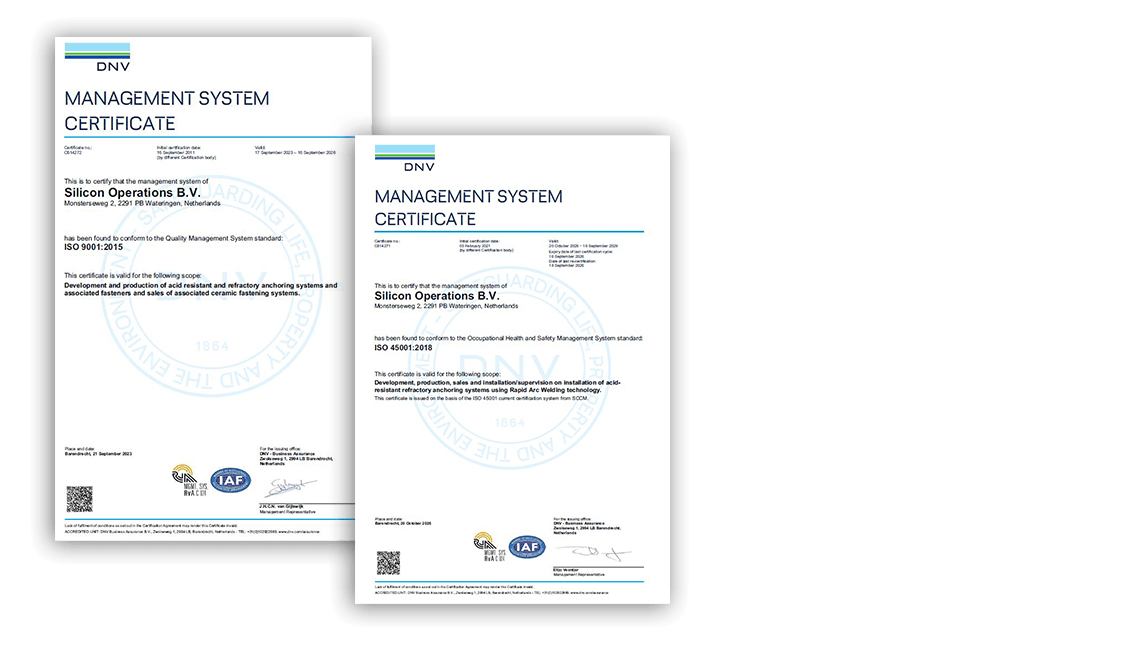
For our product and services, we are certified in the following standards: ISO 9001:2015 and ISO 45001-2018.
We supply studs to customers worldwide across the petrochemical, cement, steel, maritime and energy industries.
What to Specify Before Requesting a Quote:
Stud diameter and length
Stud material
Base material
Quantity
Required standard
If available, include a drawing, part number or previous order reference. Please mention any applicable standards or material certificate requirements.
Not sure what needs to be specified?
Send us the application and we can review the requirements with you.


