


 Since 1982, SILICON has been supporting the refractory industry with anchoring systems for a wide range of applications. One lasting contribution is the company's anchor classification and coding system, providing a shared industry language that makes refractory anchors easier to specify, discuss, and order.
Today, this structured approach is reflected in every anchor produced. Behind every order there is a team of skilled people. In this article, we take a closer look at the people behind the work and the products they help bring to customers around the world.
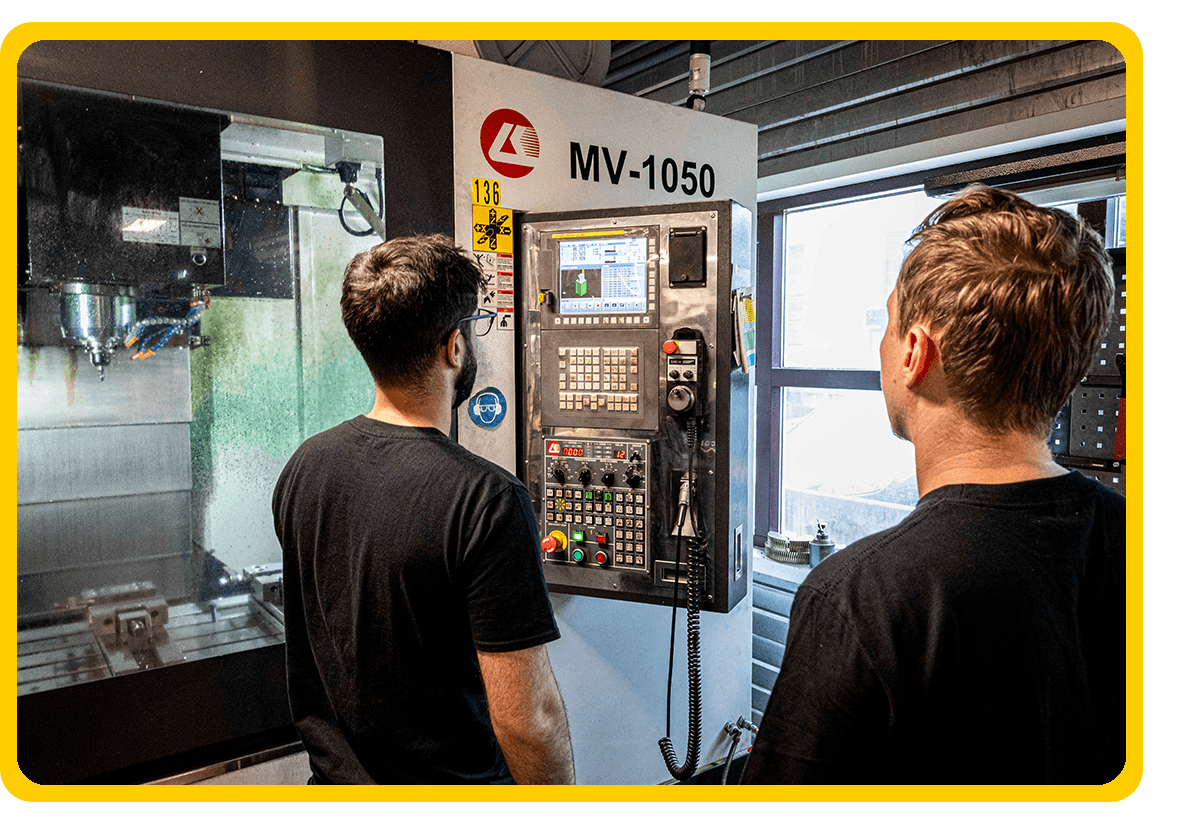
For the production team, the working day often starts at 6 AM. Machines are prepared, materials are checked, work orders are reviewed, and the first products of the day begin to take shape.
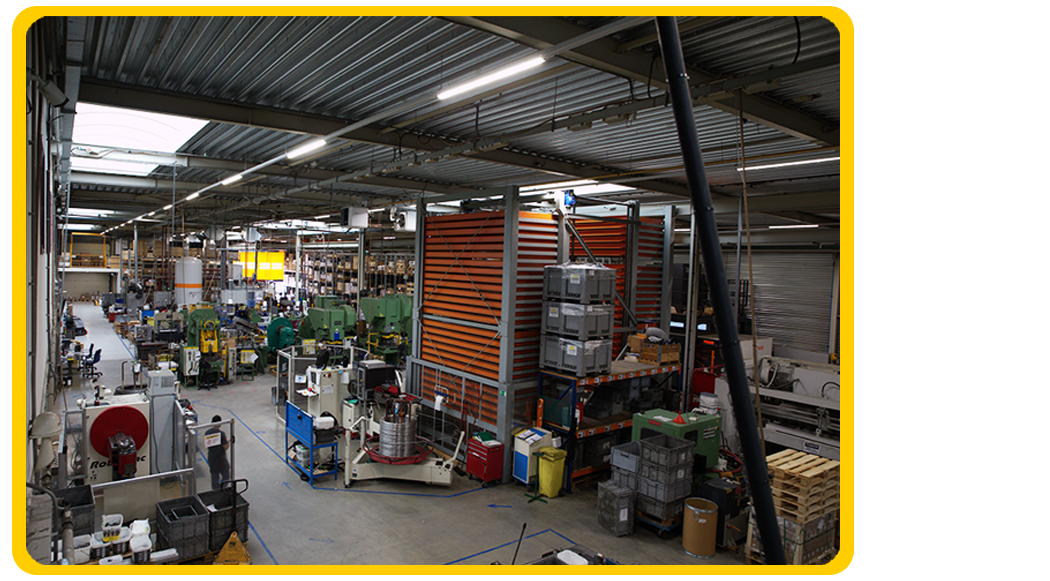
That early start says a lot about the rhythm of production. Refractory projects are often connected to strict turnaround schedules, urgent maintenance windows, and international delivery commitments. When anchors are needed on time, planning decides what is done first, which machines are used, who is available, and when an order can leave the factory.
Each order is reviewed and produced by people who know the technical requirements and what needs to be checked along the way. Whether it is a standard catalogue refractory anchor or a customized model, the goal remains the same: to produce components that match the technical requirement and can be trusted in demanding industrial environments. The people behind the production are a big part of this story.
Want to explore the full range of anchor solutions produced by the team?
Request the Anchor Catalogue below.
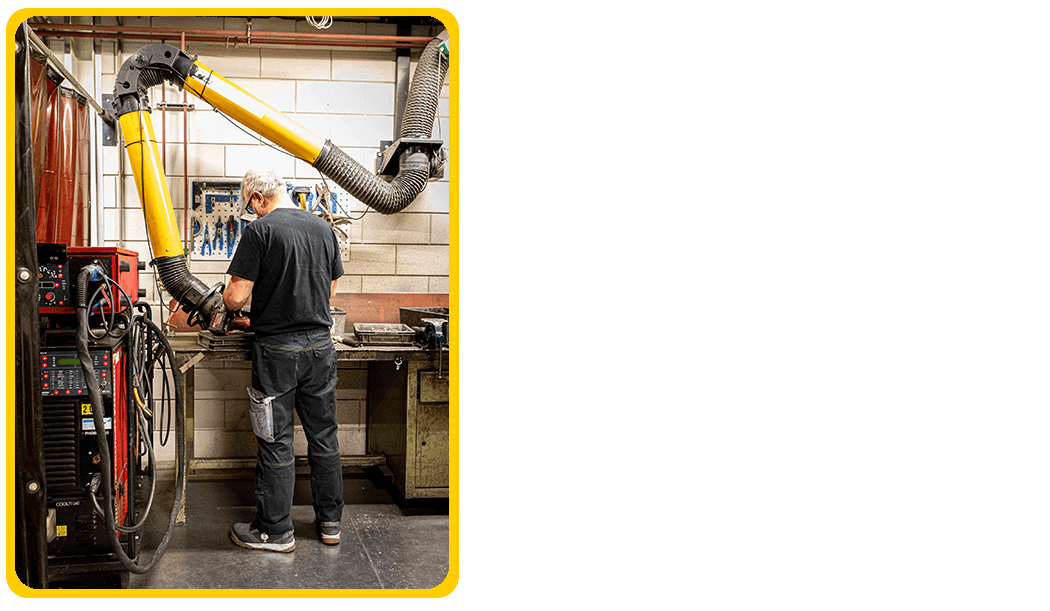
What inspired you to become a welder?
Sabri: “My father was a welder, and when I was young, I spent a lot of time with him in the workshop, watching and learning. That's where my interest started. After more than 25 years in welding, I still enjoy the work because it's something I've always loved.”
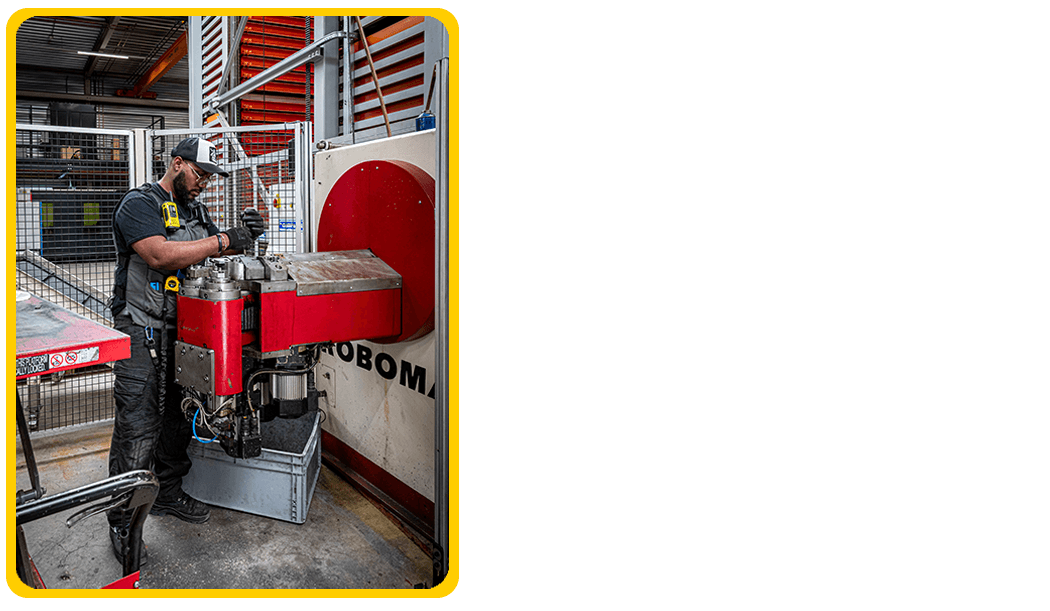
How do you keep quality consistency when producing many pieces of the same anchor?
Hendrick: “Every anchor is checked throughout the production process. I perform visual inspections and use measuring tools such as calipers to verify that the anchors meet the required specifications. Production is monitored at regular intervals, depending on the order volume, and I keep a close eye on the machines to ensure everything runs smoothly. For larger orders, we often apply a four-eyes principle, where a colleague also helps check production, because quality control is a team effort.”
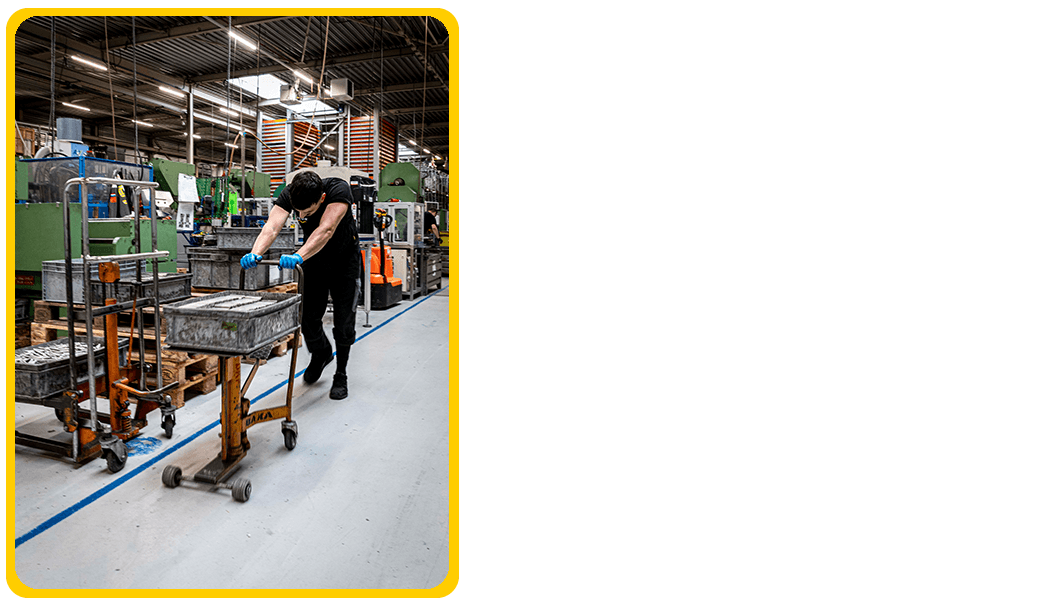
How do you know when something on the production line needs attention?
Adi: "After years of working in production, you learn to listen as much as you look. Every machine has its own rhythm and sound. When something changes, even before an alarm goes off, you can often hear that something isn't right. Knowing those signals helps you react quickly and keep production running smoothly.”
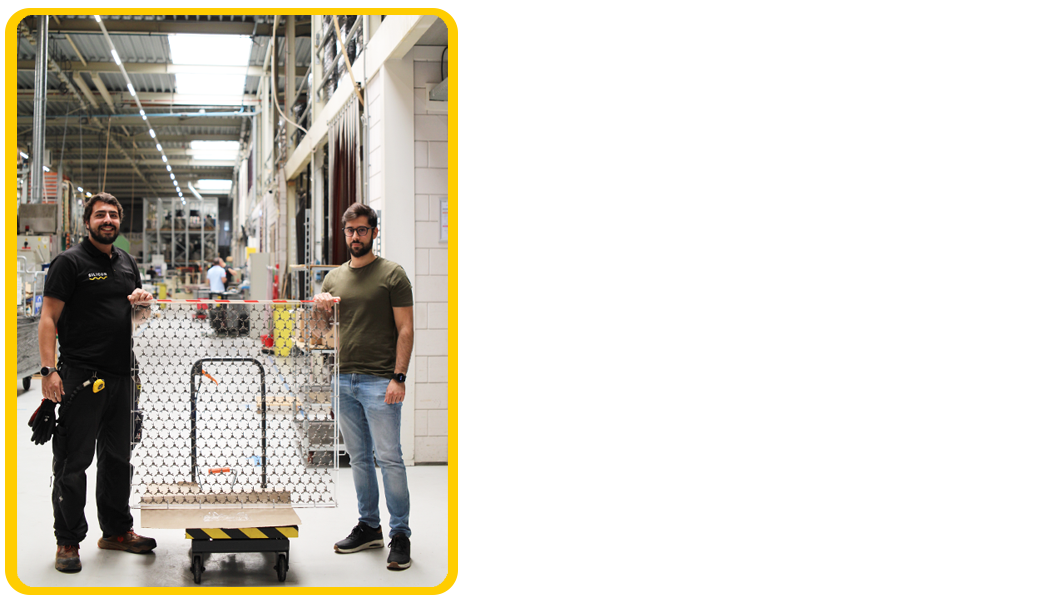
What part of team coordination is most important during a busy production day?
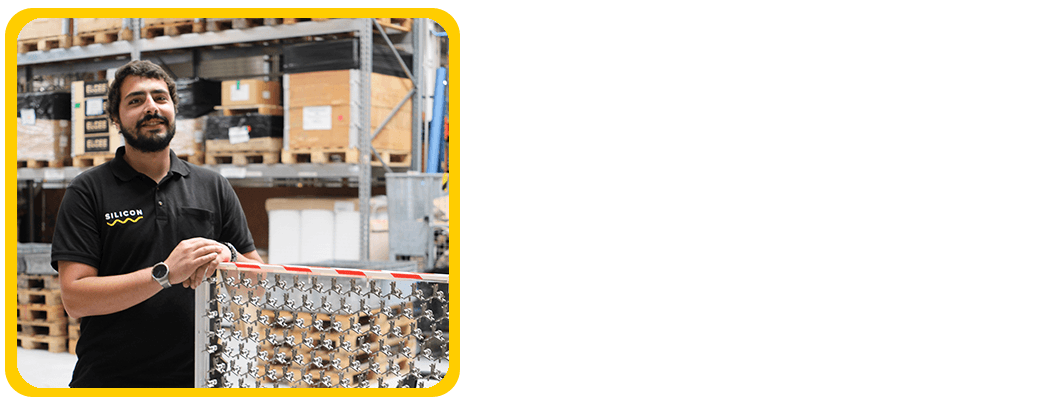
João: “Good coordination starts with making sure everyone knows exactly what they need to do and when it needs to be done. When the team is aligned and everyone follows the correct steps, production runs smoothly and orders stay on schedule. Clear communication is essential to keeping quality and delivery performance consistent, especially on busy days.”
What should customers know about the steps between a drawing and a finished anchor?
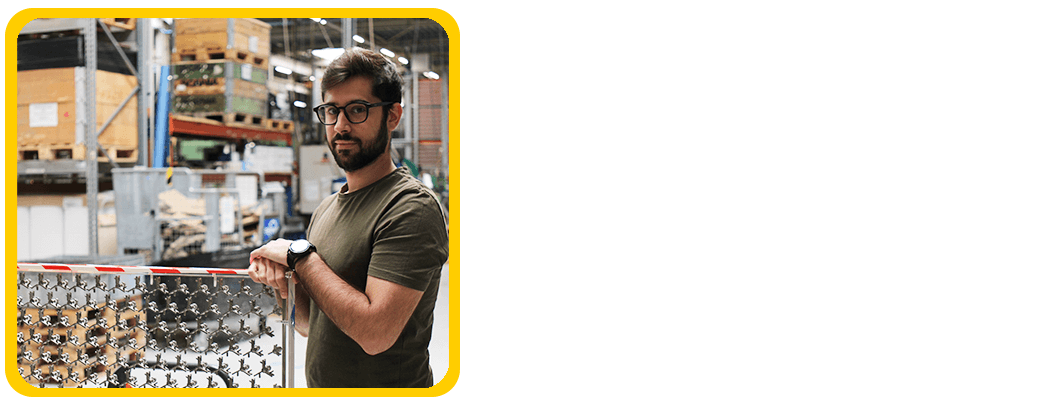
Ruben: “We carefully review every customer drawing and translate it into a ready-for-production design. Sometimes that means checking dimensions, adjusting certain details to match available tooling, or finding a better production method. Before production starts, we create a detailed model and production drawing to ensure the finished anchor meets the customer's requirements while remaining efficient and reliable to manufacture.”
Every anchor that leaves the factory reflects the combined efforts of the production team, working toward one shared goal: delivering reliable anchoring solutions customers can trust.
The people featured in this article represent just a few of the individuals behind that daily effort.
Do you have a refractory anchoring challenge, a design question, or a specific application requirement? Contact our team. We're ready to help find the right solution.
